
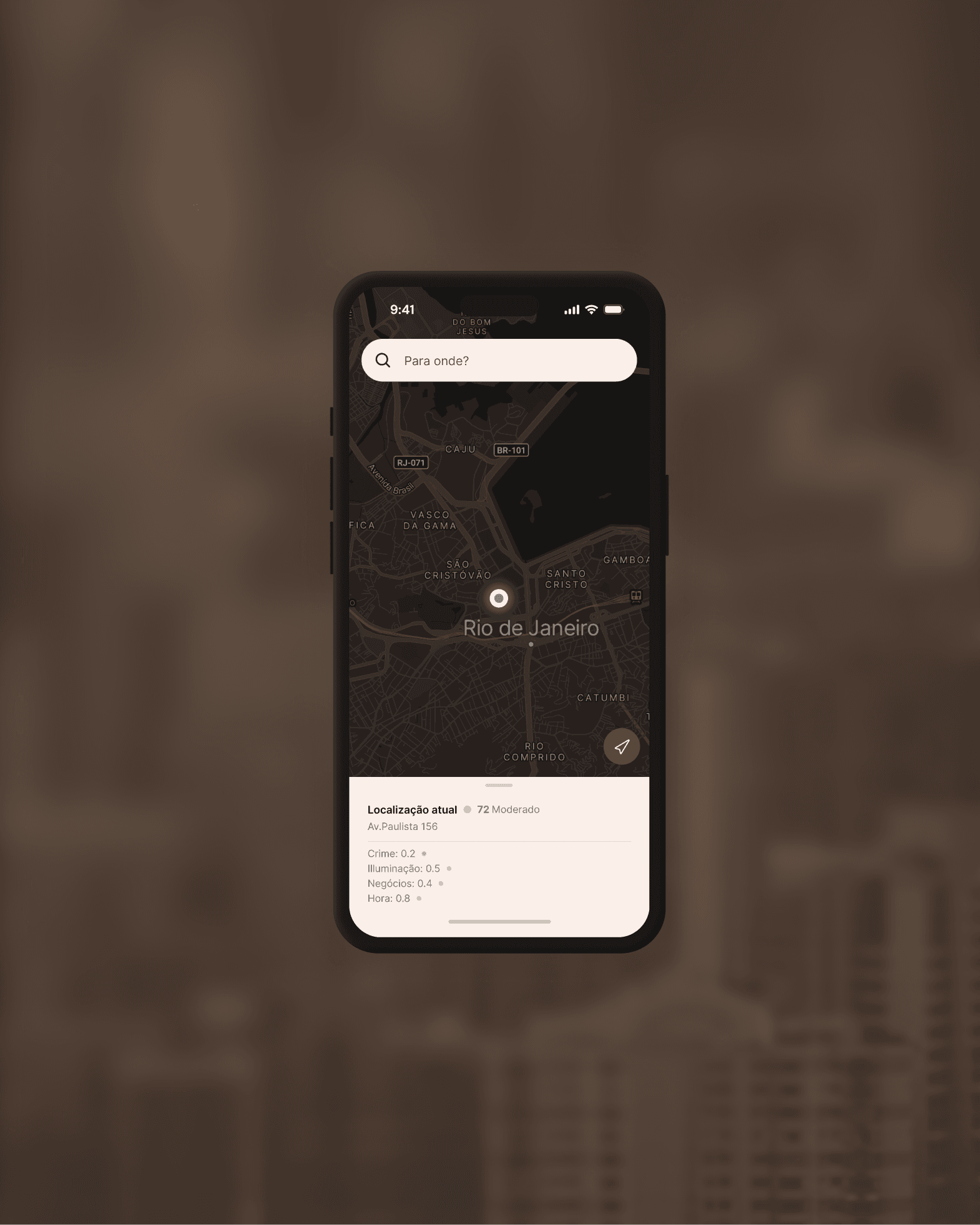
Overview
SalvaRota is a safety navigation app for Rio de Janeiro: it calculates the most peaceful route, not the fastest. Designed and built by me to see what an AI-first product workflow looks like in practice.
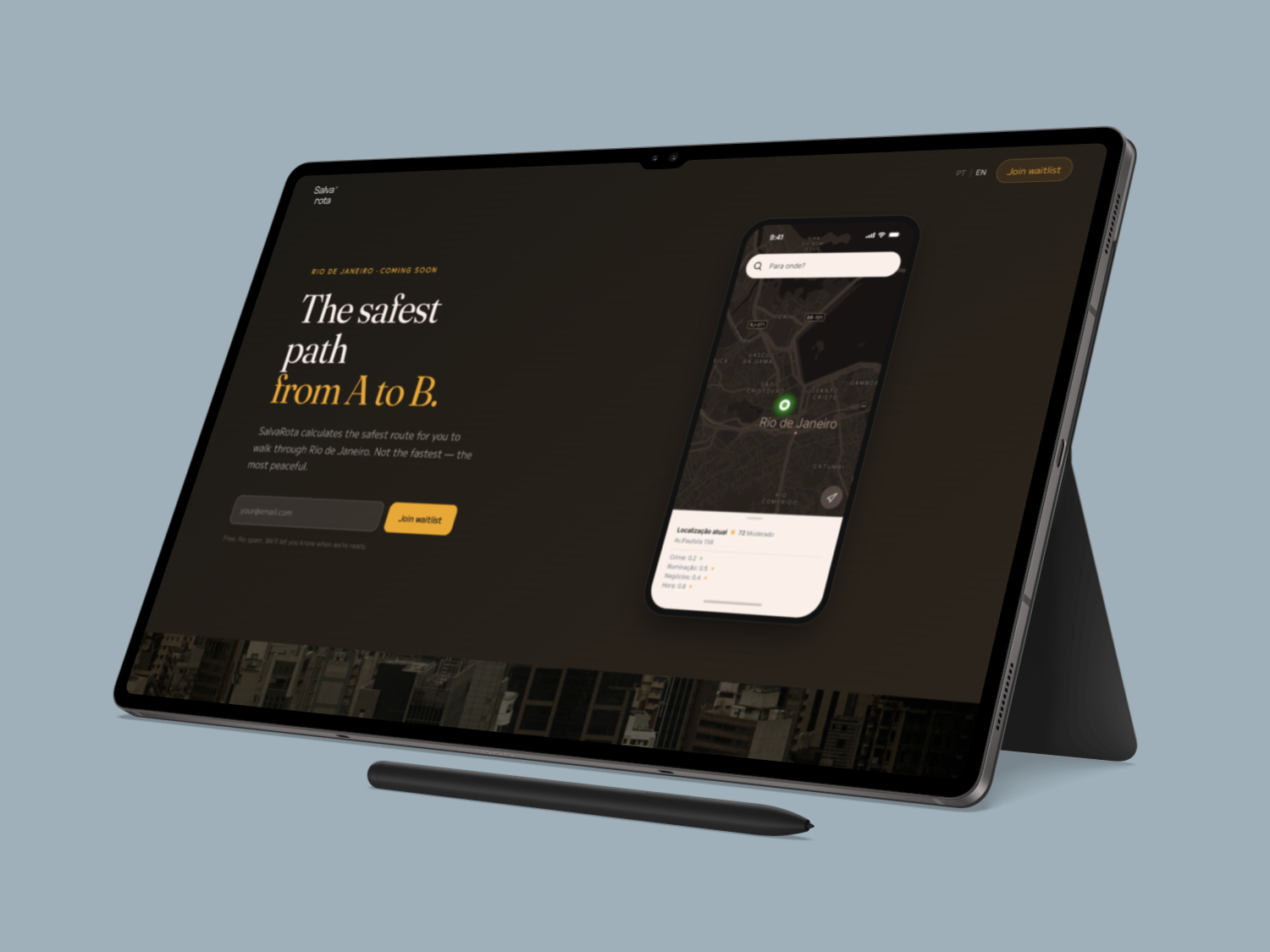
SalvaRota: product landing page and app overview
The problem
Rio de Janeiro is one of the most beautiful cities in the world. And one of the most misunderstood. People who live there carry an unspoken map in their heads: streets you avoid at night, areas that feel different after dark, routes you just don't take alone.
Google Maps tells you the fastest route. Waze gets you there with fewer traffic jams. But neither knows that one block is poorly lit, that the street you're about to cross has a pattern of incidents on Friday nights, or that the main avenue feels safer because there are open businesses on both sides.
No navigation app was optimising for how safe it feels to walk.
The gap between fastest and most peaceful is exactly what SalvaRota is built to close.
The product
SalvaRota calculates a safety score for every street in real time, combining four data layers into a single recommended route.
How it works
- Enter your destination. SalvaRota knows Rio end to end.
- We calculate your safety. Crime history, street lighting, open businesses, and time of day are cross-referenced in real time.
- Walk with more confidence. Follow the suggested route: not the fastest, the most peaceful.
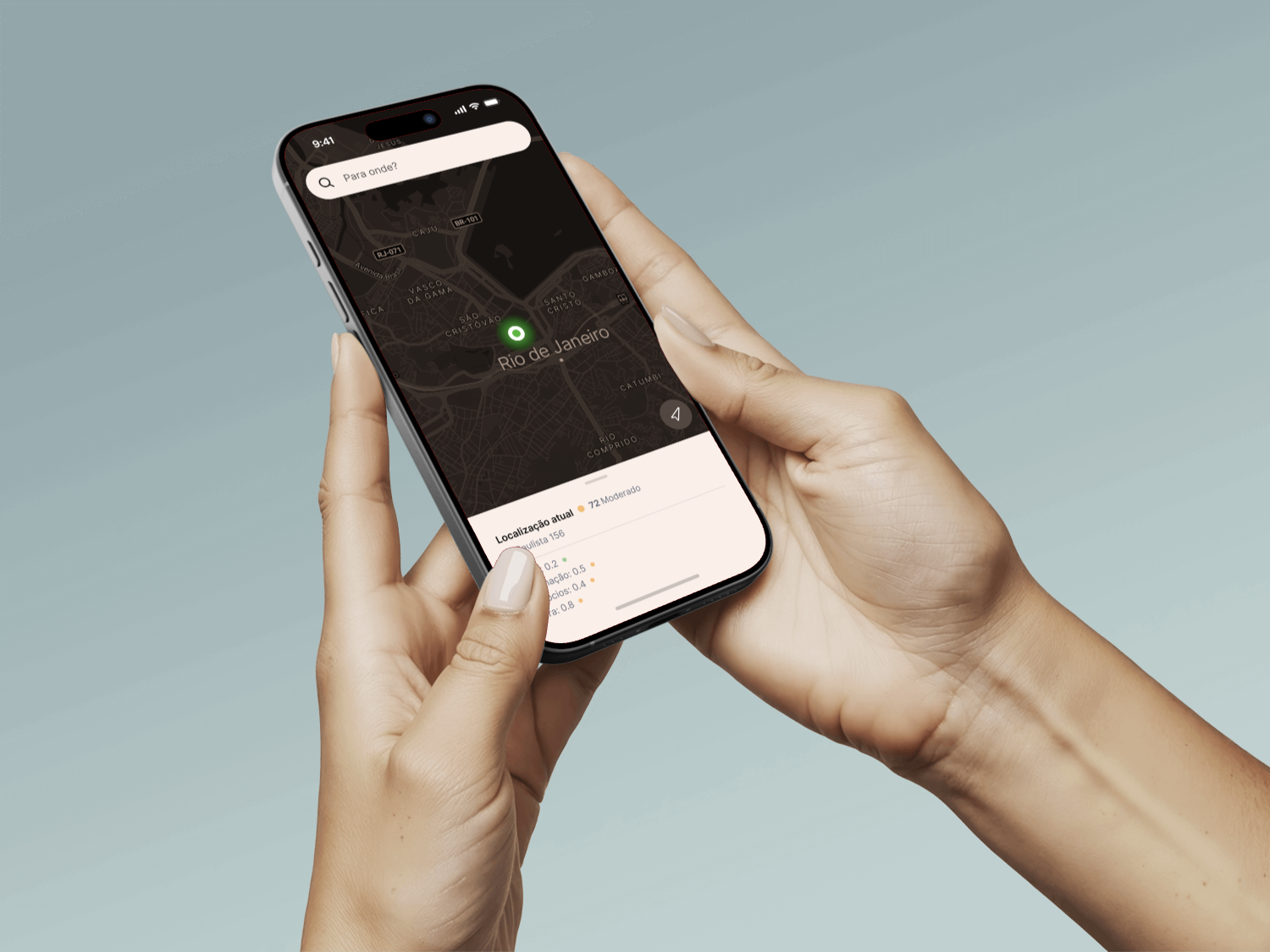
SalvaRota: real-time map with safety scoring across Rio de Janeiro
App demo: safety-optimised routing in action
Data sources
Full transparency is a core design principle. Every street score is calculated from open, verifiable public data. No proprietary algorithms. No black boxes.
- Crime history: ISP Rio / SSP-RJ, updated monthly
- Open businesses: OpenStreetMap, real time
- Street lighting: Google Places API
- Time of day: device clock, automatic
Users can see exactly why one street scores higher than another. That transparency is intentional. It builds trust in a space where trust matters.
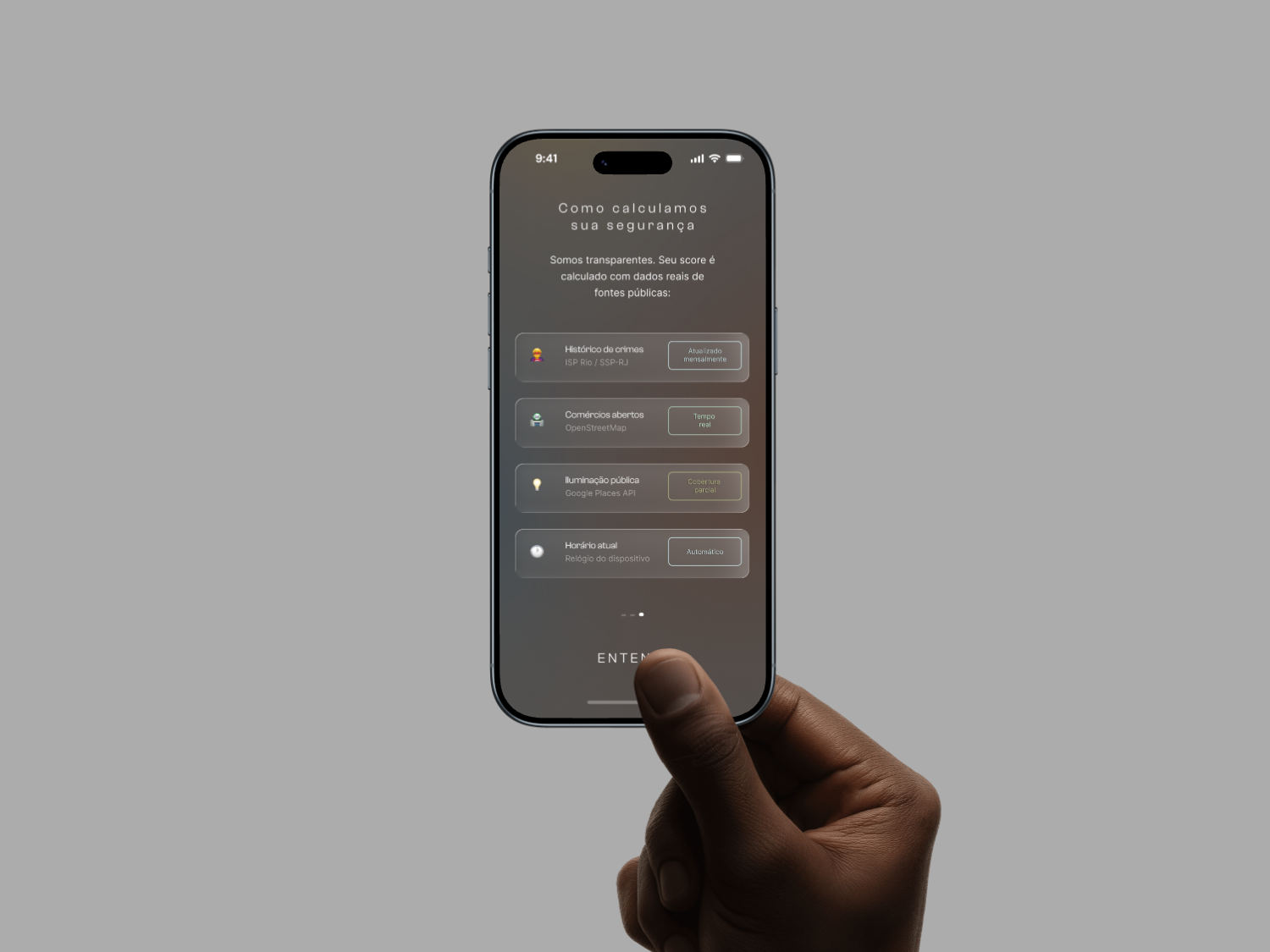
Onboarding: users see exactly how safety scores are calculated before they start
Building with AI
SalvaRota started as a personal experiment: what does it actually look like to design and build a real product with AI as a core part of the workflow? Not just a writing assistant, but a proper coding partner.
I designed the UX, defined the product logic, and built the entire React Native app using Claude Code. No external engineering team. No waiting weeks for a developer to catch up with what I had designed. The gap between idea and working software got very small, very fast.
What changed in the process
The biggest shift wasn't speed. It was ownership. When you can build what you design, decisions sharpen. No handoff friction. No translation loss between intent and implementation. Design decisions get tested in a running app, not a prototype.
It also changes how you think about scope. Features that would have needed a full sprint to implement could be tested in an afternoon. That lowers the cost of being wrong, which means you can be more ambitious and more honest about what actually works.
A new workflow, not a shortcut
AI-assisted building isn't a replacement for design thinking. It's an amplifier. SalvaRota still required defining the right problem, making hard product decisions, and understanding the user well enough to know what matters. The AI handled execution. The design work was still mine.
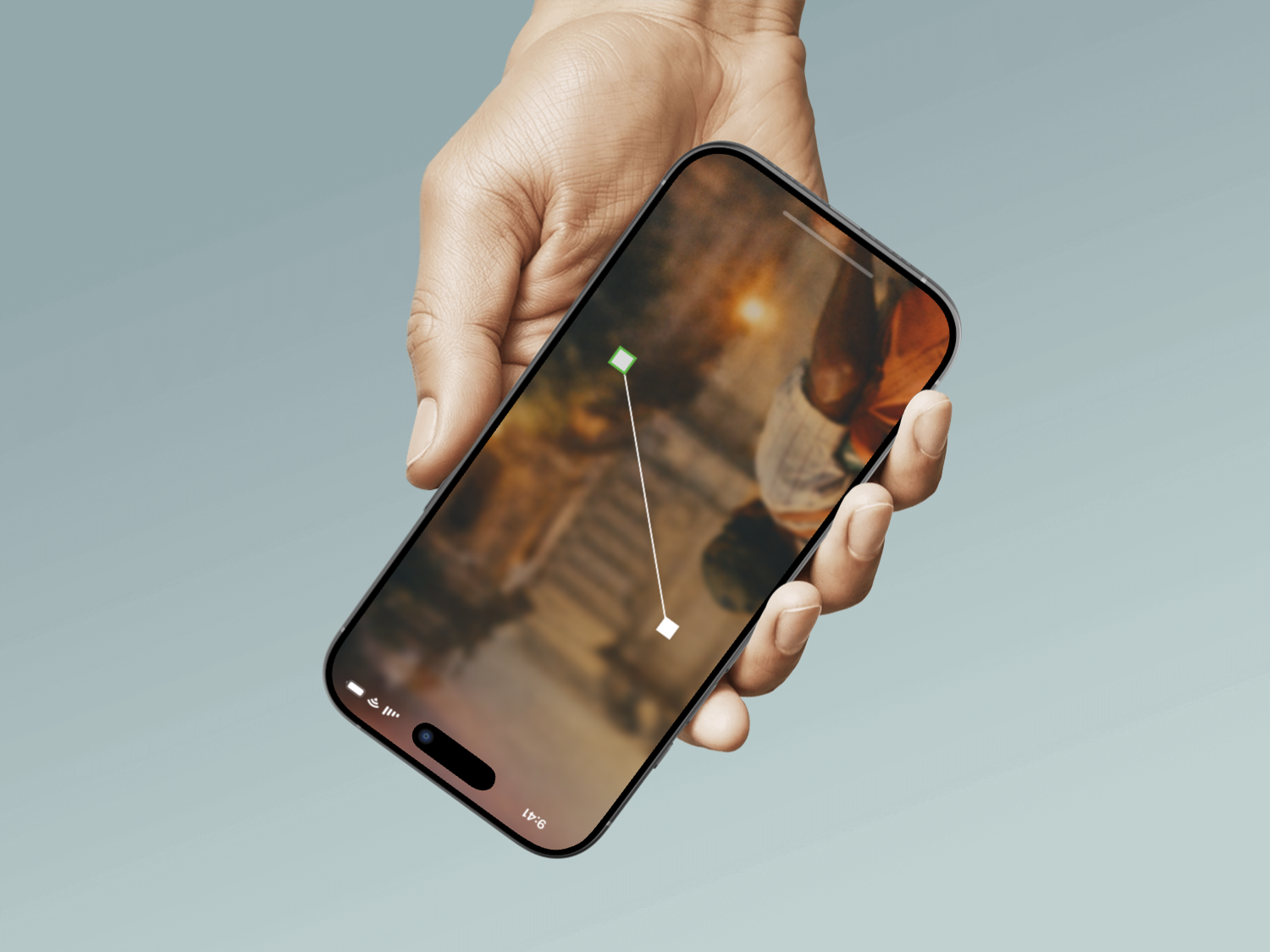
The core interaction: a safety-optimised route from A to B
Working with AI can be frustrating. Large changes can work well, while small adjustments are harder to control. This pushes us to test new ways to maintain precision in our design while speeding up the process.
What's next
SalvaRota is currently in development and accepting waitlist signups at salvarota.com. The app launches in Rio de Janeiro first. The architecture is built to expand to other cities once the data model is validated.
The project recently gained a new advisor who launched a highly successful product on Lovable, with Lovable investing in it. Their experience building and scaling AI-native products is exactly what SalvaRota needs as it grows.
Rethinking the art direction
The first round of user testing came back with consistent feedback on the app's tone and visual darkness. Users need to feel that this is something light, safe, and easy to use. A dark, heavy interface works against that.
A new art direction exploration is happening right now. Here's a preview.
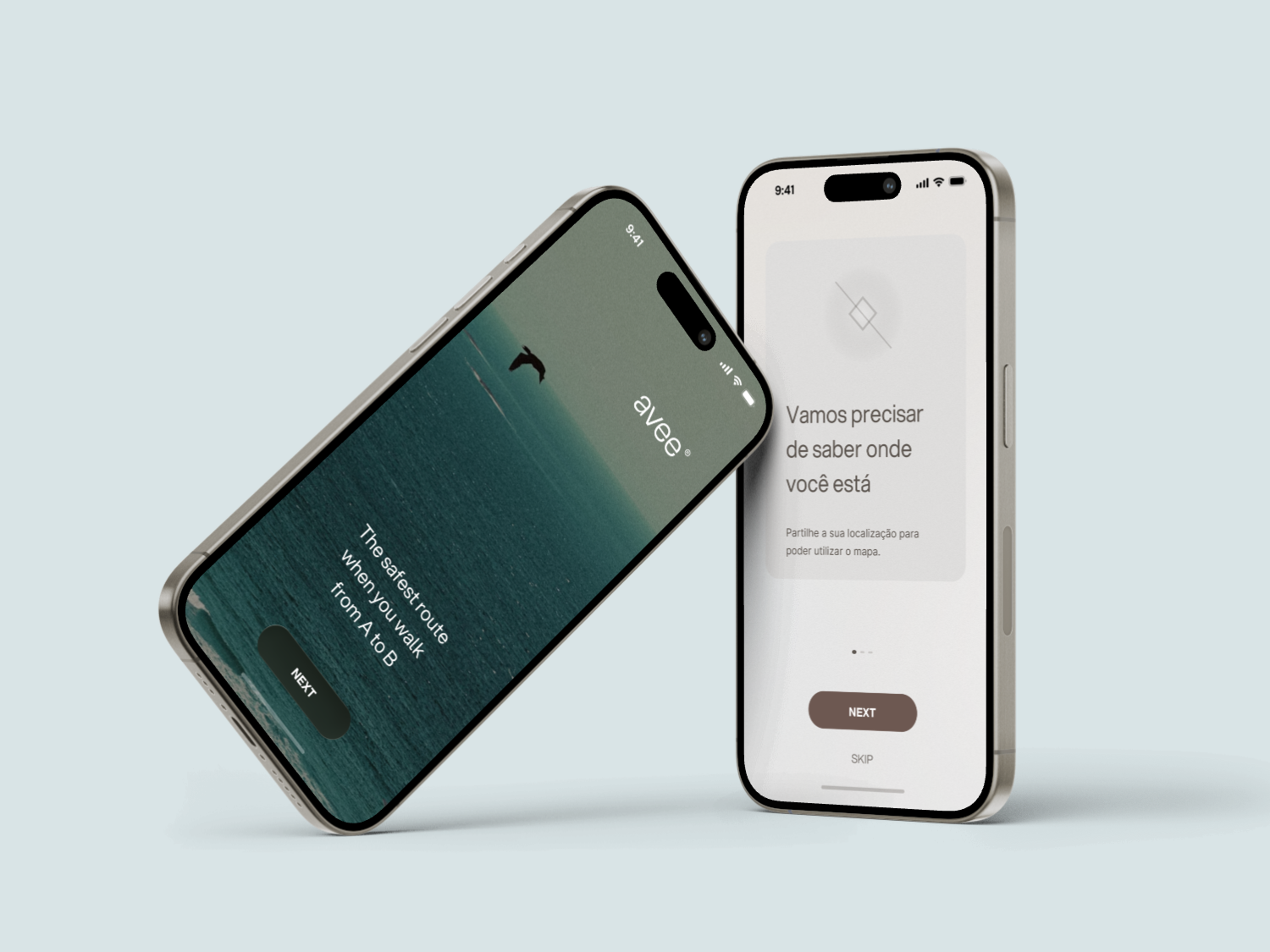
Early exploration: a lighter, warmer visual direction
A new name
Testing also clarified the target user more sharply: tourists are a primary audience. SalvaRota is a name that works well for Brazilian people, but it's not as easy to say or remember for international visitors.
A rename is underway. One of the strongest candidates right now is AVEE. Short, easy across languages, and it carries the same sense of moving safely.
SalvaRota doesn't keep you off the streets of Rio. It helps you enjoy them more safely.